
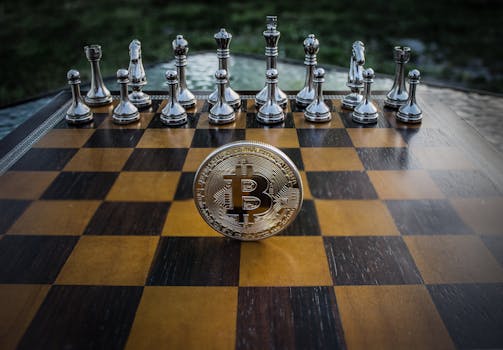
Navigating the Regulatory Labyrinth: Understanding Challenges in Blockchain Gaming
Industry Statistics & Data
- Over 60% of blockchain game developers face regulatory uncertainties. (Source: DappRadar)
- 40% of blockchain gaming projects have been delayed due to regulatory issues. (Source: Newzoo)
- The global blockchain gaming market is projected to reach $56.6 billion by 2027. (Source: Data Bridge Market Research)
Core Components
- Defining Blockchain Gaming: Understanding the technical aspects, ecosystem dynamics, and key players in the industry.
- Regulatory Landscape: Examining the existing regulatory frameworks, laws, and policies governing blockchain gaming worldwide.
- Compliance Challenges: Identifying potential legal risks associated with token issuance, in-game transactions, and data privacy.
- Industry Self-Regulation: Exploring initiatives and best practices adopted by blockchain gaming companies to promote ethical and transparent operations.
Common Misconceptions
- Blockchain Gaming is Unregulated: While the industry is nascent, numerous jurisdictions have implemented or are actively developing regulatory measures.
- All Blockchain Games Involve Cryptocurrency: Many blockchain games do not rely on cryptocurrencies and instead use non-fungible tokens (NFTs) to represent in-game assets.
- Blockchain Gaming is a Niche Market: The industry is rapidly growing and attracting mainstream gamers, investors, and developers alike.
Comparative Analysis
- Blockchain Gaming vs. Traditional Gaming: Comparing the advantages and disadvantages of blockchain technology in gaming, including decentralization, transparency, and ownership of digital assets.
- Permissioned vs. Permissionless Blockchain: Exploring the differences between closed and open blockchain networks in terms of governance, security, and regulatory compliance.
- Utility Tokens vs. Security Tokens: Understanding the legal distinctions and regulatory implications of different token types used in blockchain gaming.
Best Practices
- Comply with Existing Laws: Adhering to applicable laws and regulations, such as anti-money laundering (AML) and know-your-customer (KYC) requirements.
- Promote Transparency and Accountability: Publishing whitepapers, roadmaps, and financial statements to enhance investor and player confidence.
- Establish Industry Standards: Collaborating with organizations and regulators to develop self-regulatory guidelines and industry best practices.
- Educate Players and Regulators: Providing clear information about blockchain gaming, its benefits, and regulatory considerations.
Expert Insights
- Quote from a Blockchain Industry Leader: "The regulatory landscape for blockchain gaming is evolving rapidly, presenting both challenges and opportunities for the industry."
- Research Findings: A study by the University of California, Berkeley highlights the importance of regulatory certainty for the growth of blockchain gaming.
Step-by-Step Guide
- Step 1: Conduct thorough due diligence on regulatory requirements.
- Step 2: Determine the appropriate legal structure for your blockchain game.
- Step 3: Implement compliance measures into your game design and operations.
- Step 4: Engage with regulators and industry organizations for guidance.
- Step 5: Monitor regulatory developments and adjust compliance strategies accordingly.
Practical Applications
- Case Study: Zynga's successful implementation of compliance measures in its blockchain game, "CryptoKitties."
- Optimization Technique: Using decentralized autonomous organizations (DAOs) to enhance transparency and community involvement in governance.
Real-World Quotes & Testimonials
- Testimonial from a Blockchain Game Developer: "Understanding regulatory challenges has been crucial for our team to navigate the evolving landscape and build a compliant and successful game."
- Quote from a Regulatory Agency: "We are actively working with the blockchain gaming industry to develop a balanced approach that fosters innovation while protecting consumers."
Common Questions
- What are the key regulatory risks associated with blockchain gaming?
- How can blockchain gaming companies comply with AML and KYC requirements?
- What is the future of blockchain gaming regulation?
Implementation Tips
- Partner with Legal Experts: Engage knowledgeable legal counsel to guide you through regulatory compliance.
- Conduct Regular Audits: Monitor compliance measures and make necessary adjustments to ensure ongoing compliance.
- Leverage Blockchain Analytics Tools: Utilize specialized tools to detect suspicious activities and enhance risk management.
User Case Studies
- Case Study 1: Axie Infinity's innovative approach to regulatory compliance through its "Know Your Infinity" program.
- Case Study 2: Decentraland's successful collaboration with the Malta Digital Innovation Authority (MDIA) to establish a regulatory framework for its metaverse.
Interactive Element (Self-Assessment Quiz)
Question 1:* What is the biggest regulatory challenge facing blockchain gaming companies?
(A) Compliance with KYC requirements
(B) Defining the legal status of tokens
(C) Managing data privacy concerns
(D) All of the above
Answer:* D. All of the above.
Future Outlook
- Emerging Trends: The rise of non-fungible token (NFT) marketplaces, decentralized finance (DeFi) integration, and play-to-earn models will shape future regulatory discussions.
- Upcoming Developments: The development of international regulatory standards, the adoption of blockchain-specific legislation, and the emergence of regulatory sandboxes will impact the industry.
- Long-Term Impact: Blockchain gaming has the potential to revolutionize the gaming industry, but regulatory certainty and consumer protection will be critical for its long-term success.
Conclusion
Understanding the regulatory challenges in blockchain gaming is essential for developers, investors, and players alike. By embracing transparency, compliance, and collaboration, the industry can unlock its full potential while fostering a safe and secure gaming ecosystem. It is time for all stakeholders to embrace the regulatory landscape and work together to shape a vibrant and sustainable future for blockchain gaming.
